
By: Parco Man, BSc, M.Diet, dietetic student-volunteer, reviewed by Carlyne Remedios, RD and the JM Nutrition Team
In this post:
- What is inflammation?
- Types of inflammation
- Chronic muscle inflammation and muscle pain
- Food that promotes chronic inflammation
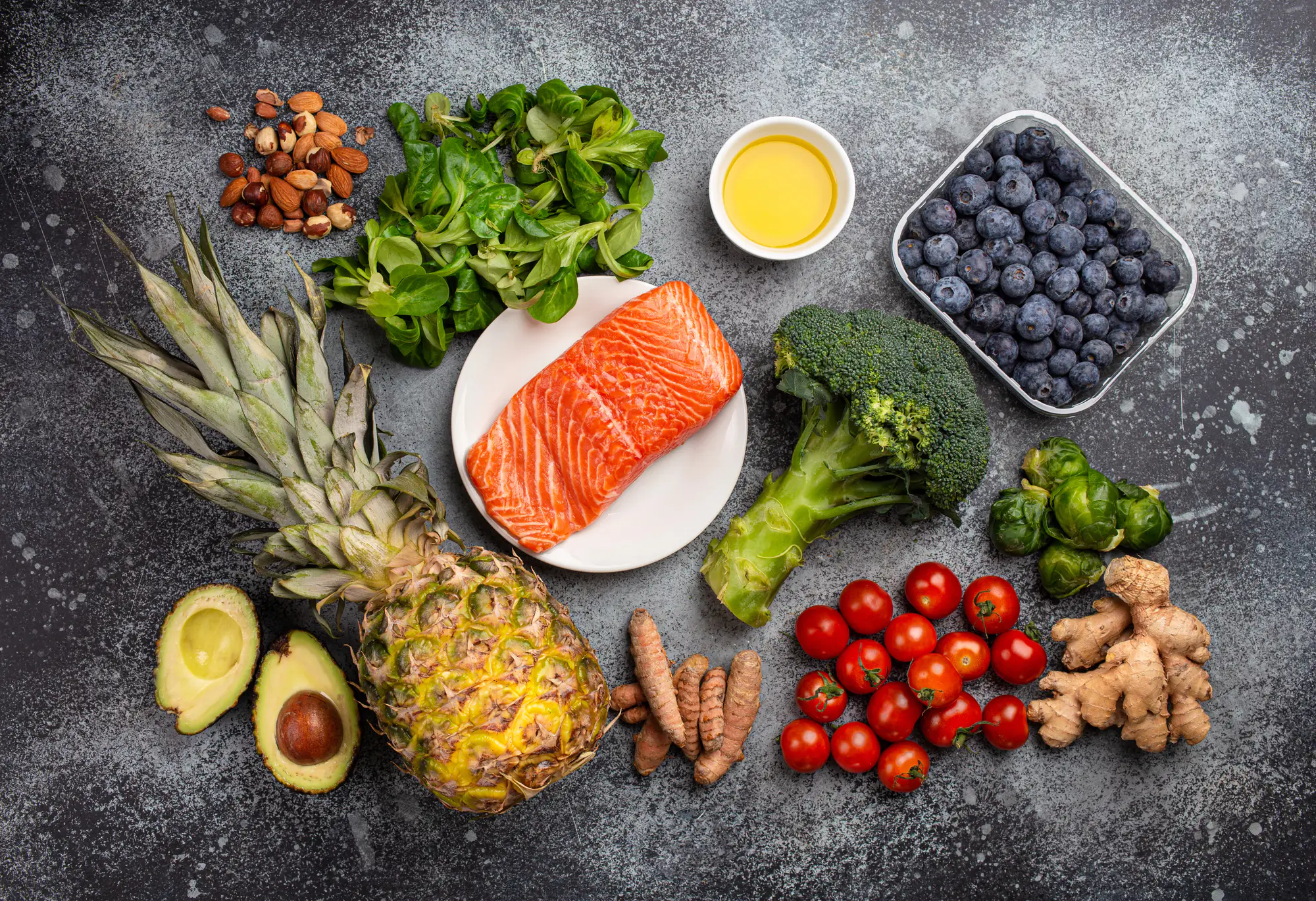
- Food that can help reduce chronic inflammation
- Anti-inflammatory strategies to try at home
- Anti-inflammatory meal plan examples
Anti-Inflammatory Diet and Chronic Muscle Pain: An Introduction
According to the World Health Organisation (WHO), approximately 1.71 billion people worldwide were affected by musculoskeletal conditions in 2019, including chronic muscle pain, arthritis, and injuries.
While physical therapy is usually the first-line treatment for muscle pain, it is equally important to take care of our bodies to support recovery, including managing stress, sleep, and nutrition.
In this post, we are going to discuss how chronic inflammation in the body affects muscle recovery and contributes to pain flare-ups, and how it can also lead to other chronic diseases such as diabetes, heart disease, and even cancer.
What is Inflammation?
First, it’s important to understand that not all inflammation is harmful. A healthy, well-functioning inflammatory response is a crucial part of our immune system. It’s how the body protects itself from injury, infection, and foreign invaders.
Types of Inflammation
Acute inflammation
Acute inflammation is your body’s short-term, protective response to injury, infection, or tissue damage. It usually lasts from a few hours to a few days.
When you cut your finger, strain a muscle, or get stung by a bee, your immune system jumps into action and acute inflammation is triggered. Blood vessels in the affected area widen, allowing more blood, oxygen, and immune cells to rush to the scene.
White blood cells like neutrophils and macrophages act like the first line of defence, destroying bacteria, clearing damaged tissue, and releasing chemical messengers that coordinate healing.
Redness, warmth, swelling and pain are normal results from acute inflammation, and the effects should diminish with the inflammation.
After resistance training, this acute inflammation is essential for muscle soreness and recovery–a fact corroborated by JM Nutrition’s sports dietitians. It removes damaged muscle fibres, increases circulation, and activates cells responsible for rebuilding tissue stronger than before. The soreness you feel is part of this process, and as inflammation settles, your muscles recover, and the discomfort fades.
Chronic inflammation
Chronic inflammation is a slow, ongoing inflammatory response that can last for months or even years (Pahwa, 2023).
Unlike acute inflammation, chronic inflammation fails to resolve after the initial trigger is resolved.
A useful way to think about this is an emergency response that never stands down. Acute inflammation is like paramedics arriving at the scene and leaving once it’s under control.
What’s more, chronic inflammation occurs when that response continues long after it’s needed. Instead of helping, constant immune activation can cause unnecessary pain and even attack our own cells or DNA. When the body remains in a state of persistent low-grade inflammation, tissues can become irritated, recovery is impaired, and the risk of chronic disease increases.
Over time, this ongoing inflammatory state has been linked to conditions such as diabetes, joint and muscle disorders, cardiovascular disease, cancer, and digestive issues.
Chronic inflammation may develop due to:
- Incomplete resolution of acute inflammation
- Ongoing exposure to low-level irritants (such as air pollution or environmental chemicals)
- Autoimmune conditions where the immune system attacks healthy tissue (e.g., rheumatoid arthritis, systemic lupus erythematosus)
- Repeated episodes of acute inflammation
- Dietary patterns that promote excess pro-inflammatory cytokines and oxidative stress
- Auto-inflammatory disorders (e.g., Familial Mediterranean Fever)
Symptoms of chronic inflammation include:
- Ongoing fatigue
- Poor sleep quality
- Brain fog or difficulty concentrating
- Muscle or joint pain
- Unintentional weight changes
- Frequent infections
- Low mood or anxiety
- Digestive symptoms such as constipation, diarrhea, or acid reflux
Because chronic inflammation often develops quietly, addressing underlying lifestyle factors, including nutrition, can play an important role in supporting long-term health and symptom management.
Chronic muscle inflammation and muscle pain
Chronic muscle inflammation is a common contributor to long-term muscle pain. Unlike acute inflammation, which occurs after an injury and then resolves as healing takes place, chronic inflammation lingers. Furthermore, it may affect one area or multiple muscle groups, leading to ongoing soreness, stiffness, fatigue, and periodic flare-ups.
Broadly, chronic muscle inflammation can be grouped into two main types:
Autoimmune-related inflammation
- Includes conditions such as rheumatoid arthritis and lupus
- Occurs when the immune system mistakenly attacks the body’s own tissues
- Causes widespread inflammation, pain, stiffness, and fatigue
- Requires medical management, with lifestyle strategies and nutrition playing a supportive role
Localized muscle inflammation
- Commonly linked to muscle injury, poor posture, repetitive movements, or prolonged muscle tension
- May involve the muscle itself, tendons, and fascia (the connective tissue between muscles)
- Often presents as aching, tight, or stiff pain in specific areas or trigger points
- May be associated with reduced strength and range of motion
- Pain can be persistent or flare up from time to time
Over time, ongoing inflammation can reduce blood flow and impair oxygen and nutrient delivery to muscle tissue. In addition, it can sensitize the nervous system, leading to pain even in the absence of a new injury.
Management typically involves a combination of movement therapy, physical therapy, pain management strategies, stress reduction, and nutrition.
Diet Management for Chronic Inflammation
Diet can play a valuable supportive role in the management of chronic muscle inflammation and pain, as the foods you eat strongly influence how your body regulates inflammation. However, it is important to work with a doctor or qualified health professional to develop a management plan tailored to your condition.
While thousands of food-based chemicals have been shown or believed to affect inflammation, diving into each chemical can quickly become overwhelming and impractical when deciding what to eat for dinner. However, following a meal plan without understanding why it works can feel ungrounded and hard to sustain.
With that in mind, here is a summary of some of the most evidence-based categories of pro-inflammatory and anti-inflammatory foods with explanation, to give you a clear, big-picture understanding of what a modern, science-supported anti-inflammatory diet looks like.
Food that Promotes Chronic Inflammation
Ultra-processed food
(Kevin,2025)
Ultra-processed foods contain many ingredients that promote inflammation, such as sweeteners, emulsifiers, BPA, acrylamide (found in high-temperature-processed starchy foods like potato chips), and Acrolein (found in overheated oils and burnt/charred foods).
There are numerous chemicals and toxins in ultra-processed food that we are not supposed to consume. Certainly, limiting them as much as possible in our diet is the most effective dietary management for reducing chronic inflammation.
Related: The Truth About Processed Foods
Processed meat
(Papier ,2023)
In addition, higher saturated fat content, greater energy density, and food chemicals, additives such as nitrites and preservatives, all together trigger the immune system to promote inflammation. It can also can damage our good gut bacteria, which play an important role in our immune system.
Sugary drinks and sweet
(Ma, 2022)
Drinks high in added sugar such as soda pop have also shown to increase inflammatory markers, promote insulin resistance, increase blood lipids and triglycerides, activate inflammatory signalling pathways, and disturb gut microbiota. In addition, it can relate to obesity, which also leads to chronic inflammation.
Related: Nutritional support for obesity
Excessive alcohol intake
(Tharmalingam ,2024)
Moreover, excessive alcohol can increase oxidative stress (free radicals that damage our organs), immune dysregulation, changes in gut microbiota, and disturb inflammatory signalling pathways. It can also lead to liver inflammation, immune dysfunction, and higher infection risk.
In summary, high level of evidence suggests that UPF’s, processed meats, added sugar, alcohol as well as refined carbohydrates and excessive intake of red meat contribute to chronic inflammation(Wang, 2022)
In addition, independent of food intake, obesity and a dysregulated gut are also strongly linked to chronic inflammation. Being a healthy weight and focusing on improving gut health can help manage chronic inflammation.
Food That Can Help Reduce Chronic Inflammation
Certain foods contain natural compounds that help calm inflammatory pathways, reduce oxidative stress, and support the body’s recovery.
As a result, it’s important to focus on foods rich in these compounds to help reduce chronic inflammation in your body.
Vitamin C
Further, Vitamin C acts as an antioxidant in the body, helping neutralize free radicals that damage cells and contribute to inflammation. Research shows that vitamin C intake can help lower inflammatory markers.
Because the body cannot store vitamin C, regular daily intake is important and getting it from whole foods is preferred over supplements unless advised by a healthcare professional. A consistent intake of about 75–90 mg per day may help reduce chronic inflammation.
Vitamin C–rich foods include:
- Fruits: kiwi, papaya, pineapple, mango, strawberries, cantaloupe, citrus fruits, guava
- Vegetables: kale, spinach, cabbage, cauliflower, tomatoes, snow peas, green peas, chili peppers, parsley, bell peppers
Surely, consuming a variety of these fruits and vegetables throughout the day makes it much easier to meet your vitamin C needs while supporting an anti-inflammatory diet.
Polyphenols
Polyphenols are natural compounds found in plant foods such as vegetables, fruits, nuts, and seeds. They are also well-known for their antioxidant and anti-inflammatory effects, which help protect cells and support overall health.
What’s more, polyphenols are categorized into flavonoids, phenolic acids, polyphenolic amides, and other polyphenols. Eating a variety of plant-based foods helps ensure adequate intake, and here are some foods that are especially rich in polyphenols.
- Brightly coloured fruits: berries, apples, cherries,
- Brightly coloured vegetables: onion, spinach, broccoli, artichoke, tomatoes
- Nuts and seeds: flaxseeds, almonds, hazel nuts, chestnuts, pecans
- Dark chocolate: 70%+ cocoa
- Green tea
- Olive oil
Foods to build your healthy microbiome
There are trillions of bacteria, fungi, and other microorganisms that live in your digestive tract, quietly working behind the scenes to keep you healthy.
They help break down food, produce essential nutrients, support your immune system, and influence your mood and energy levels. When this ecosystem is balanced and diverse, it protects the gut lining, and the short-chain fatty acids (SCFAs) it produces have anti-inflammatory effects on the body.
When our microbiome system is disrupted, harmful microbes can take over, triggering inflammation that affects the whole body.
Limiting ultra-processed foods that damage your gut microbiome and choosing foods that nourish it are among the most powerful ways to support long-term health from the inside out.
Fibre
Fibre is a type of undigested carbohydrate that helps our bowel movements. When fibre reaches the colon, they also feed the beneficial gut bacteria. A greater variety of different fibres can help with increasing the diversity of good gut bacteria, a.k.a. probiotics.
The beneficial microbiome produces short-chain fatty acids that strengthen the gut lining, calm inflammation, and support immune health after eating the fibre.
It is recommended to have at least 25-30g of fibre per day. However, only 20% of the world population and less than 5% of the Canadian and American populations are meeting the fibre recommendation per day. (Quagliani,2016)
Fibre-rich foods include:
- Whole grains: oats, quinoa, brown rice
- Vegetables: broccoli, Brussels sprouts, leafy greens
- Fruits: berries, apples, pears
- Nuts and seeds: chia, flax, almonds
- Legumes: lentils, chickpeas, beans
Probiotics
Probiotics are live beneficial bacteria found in our food that may pass into your colon and stay there, potentially improving the balance of good bacteria in your gut, protecting the gut lining, helping with digestion, and reducing inflammation.
You can get probiotics naturally from fermented foods such as:
- Yogurt with ‘live’ culture
- Kefir
- Kimchi
- Sauerkraut
- Tempeh.
To summarize, a diet that includes a variety of fruits and vegetables, whole grains, legumes, nuts & seeds and probiotics has been shown to be anti-inflammatory.
Anti-Inflammatory Strategies To Try at Home
Without a doubt, education without action doesn’t lead to better health. With that in mind, here are some practical, realistic strategies you can start using at home, along with simple meal ideas for reference.
Aim for more plant-based meals
As you may have noticed, most anti-inflammatory foods are plant-based. For this reason try to include one whole food, plant-based meal per day, or even one fully plant-based day per week.
A diverse plant-based meal provides fibre, antioxidants, omega-3s, and other anti-inflammatory compounds, while also being naturally lower in saturated fat and energy density. So put on your apron and let plants take the spotlight once in a while.
Use visual reminders in your kitchen
Undoubtedly, visual cues are a simple but powerful tool.
As such, place a list of pro-inflammatory and anti-inflammatory foods on your fridge. This gives you a quick reminder of what to limit and what to include in your meals.
Many people focus only on what they shouldn’t eat at the beginning, but starting by adding more anti-inflammatory foods to your diet often feels easier and more sustainable. Inclusion over exclusion is key. Over time, the less supportive foods naturally crowd themselves out.
Your grocery list matters
Without a doubt, your environment strongly shapes your eating habits.
If chips, salami, or packaged snacks are sitting in your cupboard, it’s much harder to avoid them when hunger hits.
Since grocery stores are designed to encourage impulse buying, strategies like making a grocery list, shopping around the perimeter (fresh produce), and not shopping on an empty stomach are simple but effective ways to resist the pull of ultra-processed foods with attractive packaging.
Related: how to save money at the grocery store
Prioritize hydration
Additionally, adequate hydration is an often-overlooked part of an anti-inflammatory lifestyle.
A simple way to stay on track is to carry a reusable water bottle and set a daily goal based on how many times you need to refill it.
Prioritize plain water throughout the day and enjoy green tea occasionally as a bonus to reduce added sugars found in sweetened beverages and support your immune system.
Anti-Inflammatory Meal Plan Examples
Here are some example meals you can use as a reference or follow. Feel free to stay flexible and adjust them to your own taste, preferences, or lifestyle to make things easier for yourself.
Remember, the key is to choose more whole (unprocessed) foods, include a greater variety and number of fruits and vegetables, and keep anti-inflammatory snacks on hand to support your diet.
Anti-Inflammatory Breakfast Options
1. Super smoothie (plant-based)
- 1 ½-2 cups unsweetened soy or almond milk
- 1 cup mixed fruits (choose 2: berries, mango, banana, or orange)
- 2 tbsp natural peanut butter, ground flaxseed, or mixed nuts
- 1 tbsp granola (no- or low-sugar) or diced dried dates (optional)
2. Oatmeal with fruit and nuts (plant-based)
- 1 ½ cups unsweetened soy or almond milk
- ¾ cup rolled oats (dry)
- ½ cup blueberries or other fruits
- 2 tbsp walnuts or other nuts
- 1 tsp cinnamon or dark cocoa powder (70%+, optional)
3. Yogurt cup
- 1 cup full-fat plain Greek yogurt with live culture
- ½ cup mixed berries
- 2 tbsp chopped almonds
- 1 tbsp ground flaxseed
- 1 pinch cinnamon, nutmeg, or dried fruit (optional)
Anti-Inflammatory Main Meals
1. Bean Tacos (plant-based)
Method: Heat olive oil in a large skillet over medium heat, then sauté the onion, bell pepper, and garlic until softened. Stir in the beans, tomato, and all the spices, and cook for 5 minutes to let the flavours meld. Finish with a squeeze of lime juice and serve the bean mixture in warm tortillas with your favourite toppings.
Base
- 1 ½ cups black beans or pinto beans, cooked and rinsed
- 1 bell pepper, sliced
- 1 tbsp olive oil
- 2 cloves garlic, minced
- ½ red onion, diced
- 1 medium tomato (optional)
Spices/flavour
- 1 tsp ground cumin
- 1 tsp smoked paprika
- ½ tsp turmeric
- ¼ tsp black pepper (to activate turmeric)
- Salt, to taste
- 1–2 tbsp lime juice
2. Tofu stir-fry (plant-based)
Method: Heat the oil in a large pan or wok over medium-high heat and sear the tofu cubes until golden brown on all sides. Add your chosen vegetables (except the spinach) and stir-fry for 3–5 minutes until tender-crisp. Stir in the garlic, ginger, and spices, then pour in the soy sauce and lime juice. Toss everything together for another minute, folding in the baby spinach at the very end until just wilted.
Protein and base
- 14 oz / 400 g firm tofu, pressed and cubed
- 1–2 tbsp olive oil or avocado oil
Vegetables (pick 1-2)
- 1 cup broccoli florets
- 1 cup baby spinach (added at the end)
- 1 medium red bell pepper, sliced
- 1 medium carrot, thinly sliced
- 1/2 cup snow peas
- 3-4 mushrooms, sliced
Spices/flavour
- 1–2 tbsp low-sodium soy sauce or tamari
- 1 tbsp lime juice
- 2 cloves garlic, minced
- 1 tsp fresh ginger, grated
- 1/2 tsp cumin powder
- 1/4 tsp black pepper
- 1 pinch chili flakes or sesame seeds
3. Grilled salmon and sides
Method: Whisk the olive oil, lemon, garlic, and spices in a small bowl, then rub the mixture over the salmon fillets. Grill or pan-sear the salmon for 4–5 minutes per side until it flakes easily with a fork. While the salmon cooks, roast or sauté your chosen sides with a drizzle of oil and a pinch of salt until tender.
Salmon
- 2 × 5–6 oz salmon fillets
- 1 tbsp extra-virgin olive oil
- 1 tbsp lemon juice and zest (approx. 1/2 lemon)
- 1 tbsp fresh herbs (dill or parsley), chopped
- 2 cloves of garlic, minced
- 1/2 tsp smoked paprika or cumin
- 1/4 tsp black pepper
Sides (pick 1-2) :
- 2 cups roasted broccoli or Brussels sprouts
- 2 cups sautéed spinach or kale
- 1 bunch grilled asparagus
- 1 large roasted sweet potato (optional)
4. Mediterranean chickpea bowl (optional plant-based)
Method: In a large bowl, toss the chickpeas and roasted vegetables with your spices, olive oil, and vinegar. Serve the mixture over a bed of fresh arugula and top with feta cheese if desired.
- 2 cups arugula
- 1 1/2 cups chickpeas, cooked
- 1 cup roasted zucchini, red onion, and tomatoes
- 2 tbsp feta cheese (optional)
- 1 tbsp olive oil and red wine vinegar
- 1 tsp your favourite spices (cumin, paprika, oregano, etc.)
5. Lemon herb grilled chicken with quinoa salad
In a small bowl, whisk together the olive oil, lemon juice, zest, garlic, and spices, then coat the chicken breasts and let them marinate for at least 15 minutes. Grill or pan-sear the chicken over medium-high heat for 6–7 minutes per side until fully cooked. While the chicken rests, toss the cooked quinoa with the fresh vegetables, greens, and dressing ingredients in a large bowl. Slice the chicken and serve it warm alongside or on top of the fresh quinoa salad.
Chicken
- 2 boneless, skinless chicken breasts (5–6 oz each)
- 1 tbsp extra-virgin olive oil
- Juice of half to one lemon
- Zest of half to one lemon
- 2 cloves garlic, minced
- 1 tsp dried oregano (or fresh)
- ½ tsp turmeric powder
- ¼ tsp black pepper
Quinoa salad:
- 2 cups baby spinach or arugula
- 1 cup cooked quinoa
- 1 cup cherry tomatoes, halved
- 1 cup cucumber, diced
- ½ cup red bell pepper, diced
- ¼ cup red onion, finely chopped
- 2 tbsp olive oil
- Juice of ½ lemon
- 1 tsp Fresh herbs (parsley, cilantro, or basil), chopped for garnish
Anti-Inflammatory Snacks
- A handful of unflavoured mixed nuts
- Yoghurt with live culture
- Pineapple chunks, apple or berries
- Chocolate: 70%+ cocoa
- Whole-grain crackers with hummus
- Avocado toast (can be used as a breakfast option)
Anti-Inflammatory Drinks
- Water
- Green tea
- Freshly squeezed fruit juice
- Morning smoothie (occasionally)
- Cocoa soy milk latte: 70%+ cocoa, unsweetened soy milk, optional cinnamon powder
Final Thoughts: Anti-Inflammatory Diet and Chronic Muscle Pain
To that end, we explored how we can adjust our diet to help reduce chronic inflammation.
It’s important to remember that lifestyle and dietary changes are a long-term journey. Health doesn’t change overnight.
With consistent effort, evidence-based knowledge, and a realistic plan, it is absolutely possible to build a healthier body, reduce chronic inflammation, and support long-term well-being and longevity.
Conclusion
Should you feel you require personalized sessions for guidance of a dietitian for the anti-inflammatory diet and related matters, book a free consultation or contact us for an appointment. As always if you have comments or questions, we encourage you to let us know.
References
1. Minami, Y., Sasaki, T., Arai, Y., Kurisu, Y., & Hisamichi, S. (2003). Diet and systemic lupus erythematosus: A 4-year prospective study of Japanese patients. The Journal of Rheumatology, 30(4), 747–754. https://pubmed.ncbi.nlm.nih.gov/12672194/
2. Papier, K., Knuppel, A., Syam, N., Jebb, S. A., & Key, T. J. (2023). Higher meat intake is associated with higher inflammatory markers, mostly due to adiposity: Results from the UK Biobank. The American Journal of Clinical Nutrition, 117(1), 104–113. https://doi.org/10.1016/j.ajcnut.2022.10.003
3. Ma, X., Nan, F., Liang, H., Shu, P., Fan, X., Song, X., Hou, Y., & Zhang, D. (2022). Excessive intake of sugar: An accomplice of inflammation. Frontiers in Immunology, 13, 988481. https://doi.org/10.3389/fimmu.2022.988481
4. Suzuki, K. (2019). Chronic inflammation as an immunological abnormality and effectiveness of exercise. Biomolecules, 9(6), 223. https://doi.org/10.3390/biom9060223
5. Pahwa, R., Goyal, A., & Jialal, I. (2023). Chronic inflammation. In StatPearls. StatPearls Publishing. https://www.ncbi.nlm.nih.gov/books/NBK493173/
6. Sajan, K., Anthireddy, N., Matarazzo, A., Furtado, C., Hennekens, C. H., & Ferris, A. (2025). Ultra-processed foods and increased high-sensitivity C-reactive protein. The American Journal of Medicine. Advance online publication.
7. Tharmalingam, J., Gangadaran, P., Rajendran, R. L., & Ahn, B.-C. (2024). Impact of alcohol on inflammation, immunity, infections, and extracellular vesicles in pathogenesis. International Journal of Molecular Sciences, 25(3), 1652. https://doi.org/10.3390/ijms25031652
8. Fisher, A. E. O., & Naughton, D. P. (2003). Vitamin C contributes to inflammation via radical-generating mechanisms: A cautionary note. Medical Hypotheses, 61(2), 252–255. https://doi.org/10.1016/S0306-9877(03)00141-8
9. Reynolds, A., Mann, J., Cummings, J., Winter, N., Mete, E., & Te Morenga, L. (2022). The gut microbiome: Linking dietary fiber to inflammatory diseases. Cell Reports Medicine, 3(9), 100719. https://doi.org/10.1016/j.xcrm.2022.100719
10. World Health Organization. (2022, July 14). Musculoskeletal conditions. https://www.who.int/news-room/fact-sheets/detail/musculoskeletal-conditions
11. Wang, Y., Uffelman, C., Hill, E., Anderson, N., Reed, J., Olson, M., & Campbell, W. (2022). The Effects of Red Meat Intake on Inflammation Biomarkers in Humans: A Systematic Review and Meta-Analysis of Randomized Controlled Trials. Current Developments in Nutrition, 6(Suppl 1), 994. https://doi.org/10.1093/cdn/nzac068.023
Other Popular Posts:
How to Build Muscle and Lose Fat
Foods and Supplements to Lower Cortisol
About Author:
Carlyne is a Mississauga-area dietitian who who provides nutritional support in the following areas: weight loss and GLP-1 use guidance, PCOS support with dietitian, dietary management of menopause, chronic disease prevention and management, support for the anti-inflammatory diet, and more.
Our nutrition blog was been named one of the Top 100 Nutrition Blogs, Websites and Newsletters to Follow in 2026 and one of the Top Canadian Nutrition Blogs by Feedspot. So don’t miss out and subscribe below to both the newsletter that includes latest blog posts.
JM Nutrition is a nutritional counselling service by registered dietitians and nutritionists in Canada.